
Pasta. To most, it’s just a side dish. But for Italy, it’s the heartbeat of a nation. If Italy’s flag had a symbol, it would be pasta.
We’ve been conditioned to think of Italy as a paradise of “the good life.” But that “tradition” was actually manufactured. Much of what you believe about Italy today is the result of a century-long branding masterpiece led by one name: Barilla.
I’m fascinated by how the things we take for granted as “default” are actually part of someone’s deliberate plan. Personally, I love pasta, but I never realized a single, family-owned company could help invent a nation’s identity just to sell more… pasta. Through three bankruptcies, a deal with a dictator, and a desperate fight to buy their company back after selling it with their own hands, the Barilla became synonymous with Pasta and… contributed to the image of Italy we know it today.
So, how did a small-town bakery rewrite the history of an entire nation? Let’s figure it out!
Going Broke and Starting Over
The early twentieth century looked like an endless nightmare for Italy. The country was a poor agricultural backwater that the Industrial Revolution had passed by. Half the population couldn’t read or write, there were no jobs whatsoever, and no food either, and the only thing left for millions of Italians was to pack their bags and leave anywhere, as long as they didn’t stay in this place. Over thirty years, more than 13 million people left Italy, and these were desperate people for whom emigration was the only chance not to starve to death.
In this hopelessness, in a small town called Parma, a guy named Pietro Barilla decided to start his own business. He baked bread and made pasta by hand, sold to neighbors, and made pennies. But debts grew faster than revenue, there were few customers, and eventually Pietro shut down, went bankrupt and lost his small business.
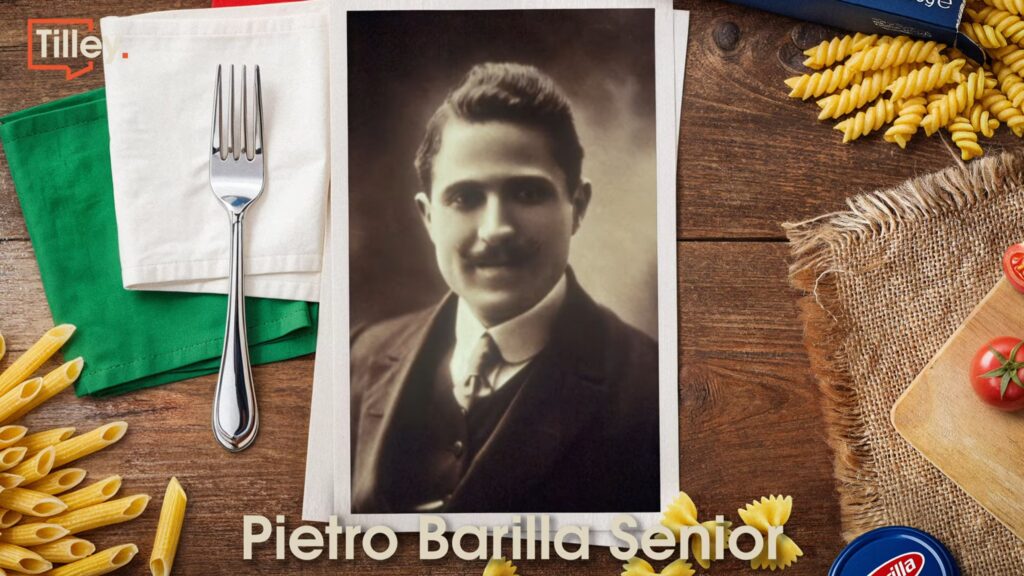
A regular person would’ve stopped there, admitted defeat, and gone to work for someone else. But Pietro wasn’t quite average in the best sense of that word, because a couple years later he tried again. He opened another bakery, invested the last money he could find, worked like crazy from dawn to dusk, and the result was the same. Bankruptcy number two, even more debt, even less hope, but this guy had enough stubbornness for three people. In 1877, Pietro Barilla opened for the third time, and this time fate decided to give him a shot. The business survived – didn’t thrive, of course, but at least didn’t die in the first year.
Years passed that Pietro spent in exhausting work without weekends or holidays, his wife kneaded dough by hand until she had bloody calluses, the kids helped however they could, and the whole family spun like a hamster on a wheel just to make ends meet. By 1910, Pietro understood one simple truth that changed everything. If he wanted something more than just not starving to death and leaving his kids something besides debt, he needed to change radically.
Pietro made a decision that was either the smartest of his life or would finally bankrupt him for good. He took out a huge loan that would bury not only him but his entire family for years if things went south, and bought the first machines for pasta production. He hired 80 people, which was insane for a small company, and launched production at full capacity. It was a huge bet on a future that might never come, and if everything went wrong, bankruptcy number four would be the last and final one.
And then something happened that you could call the black irony of history. World War I started, which would kill millions of people and destroy half of Europe, but which would save the small company. The Italian army desperately needed food for soldiers at the front, government contracts poured in like from a horn of plenty, and Barilla got an order that exceeded their wildest dreams. Pasta for the army, tons and tons of pasta, production ran 24/7 without stopping, money finally started flowing, and the war that became a tragedy for millions became salvation for one family.
But as always happens with good times, they ended too quickly. The war ended, the army demobilized, contracts evaporated overnight, and Pietro again faced a choice. Close up and leave the market while there’s still some money, or look for a new path. He chose the second, because he’d always chosen exactly that his whole life, and started looking for a way to survive in peacetime.
When Survival Requires a Deal with the Devil
In 1922, something happened that changed Italy for the next twenty-something years. Benito Mussolini and his fascists came to power, seized the government, and started building a new order where there was no place for those who didn’t support the regime. For businessmen across the country, this meant a very simple choice with no gray areas or compromises. Either you join the party, support the fascists and get access to contracts, or you refuse and can close your business right now.
Riccardo Barilla, the founder’s son, did what most entrepreneurs who wanted to survive did. He joined the fascist party not because he shared their ideology or believed in the greatness of II Duce, but because without party membership, their company was doomed to slow death.
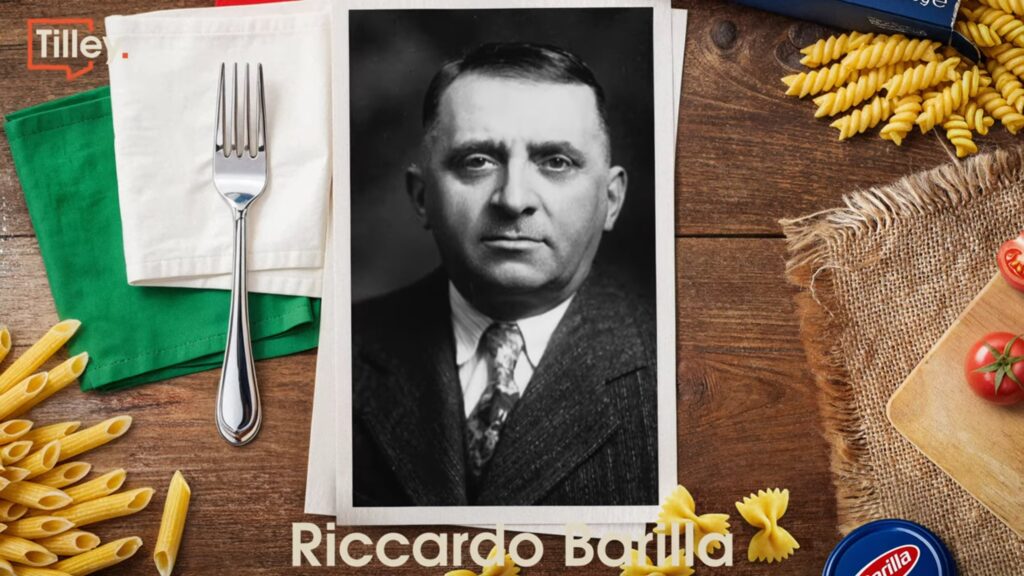
Mussolini was obsessed with an idea he called autarky, or complete economy in dependence. Italy had to produce everything itself, not depend on imports, not buy anything abroad, and the dictator introduced laws one after another, demanding the use of only Italian wheat, only Italian raw materials, only Italian everything. For Barilla, this was a gift from heaven, because local wheat meant low prices, no competition from imports, government support and contracts. Business started growing like never before, money flowed like a river, new production facilities opened, and for the first time in many years, the Barilla family felt something like stability and confidence in tomorrow.
But stability in fascist Italy was an illusion that could crumble at any moment. Local fascist authorities suddenly learned that Riccardo had been secretly supporting the anti-fascist underground movement all these years. When this came to light, contracts were torn up overnight, support evaporated, business started suffocating, and again, always again, Barilla found itself on the brink of collapse.
And then World War II broke out. The Italian army, fighting on Hitler’s side, needed food, and military contracts temporarily saved Barilla again. This was pure survival, a desperate attempt not to let the business and family die. When the war finally ended in 1945, Italy lay in ruins, the fascists lost, Mussolini was hanged in a square in Milan, and a hunt began for everyone connected to the regime. Partisans grabbed people on the streets, shot them on the spot, and in this chaos of revenge they got to the Barilla family.
Partisans grabbed Riccardo Barilla, accusing him of collaborating with the fascist regime and financially supporting it. And that’s where the story ends. Just kidding, it’s only the beginning. They threw him in prison, threatened execution, and the family panicked, trying to find some way to save him. They released Riccardo after interrogations, recognizing he wasn’t a real fascist. But a few days later, anti-fascist fighters grabbed his son Pietro Jr. They accused him of being a collaborationist, threw him in prison, and the family again panicked, trying to find some way to save him.
What saved him was a petition written by ordinary Barilla factory workers, saying Pietro was a good person, that he helped people during the war, and that he shouldn’t be killed for the regime’s sins. Authorities read this petition, saw it, and five days later released Pietro. The company survived once again thanks to not getting about the people who worked for them. They remembered this lesson forever. But surviving and thriving are two different things.
The Blue Box That Changed Everything
So the war ended, but Italy still lay in ruins, and it seemed the country would never get back on its feet. Cities were destroyed by bombing, factories stood idle, people lived half-starved, and nobody believed life would ever get better. But unexpectedly for everyone, America launched the Marshall Plan and started pouring billions of dollars into devastated Europe to rebuild it and not let the communists seize power. Italy got its share of this money, and they started building roads, restoring factories, creating infrastructure that didn’t exist even before the war.
Pietro, who by that time understood something very important. The company also had to change, because the old methods no longer worked in the new world. Producing pasta the way they did a hundred years ago was a past without a future. They needed something new, something that would make Barilla stand out among hundreds of other pasta producers across Italy.
In 1957, Pietro went to America to see how business worked there and how Americans sold food. America at that time was a different planet compared to devastated Europe. Huge supermarkets with thousands of products on shelves, packaged goods with bright labels and logos everywhere you looked.
Pietro walked through these supermarkets and saw what didn’t exist in Italy. In Italy, people still bought pasta by weight – the seller scooped it from a big bag, weighed it on scales, wrapped it in paper, and the buyer took home some faceless mass without a name. In America, every product was in a beautiful box with a bright design.
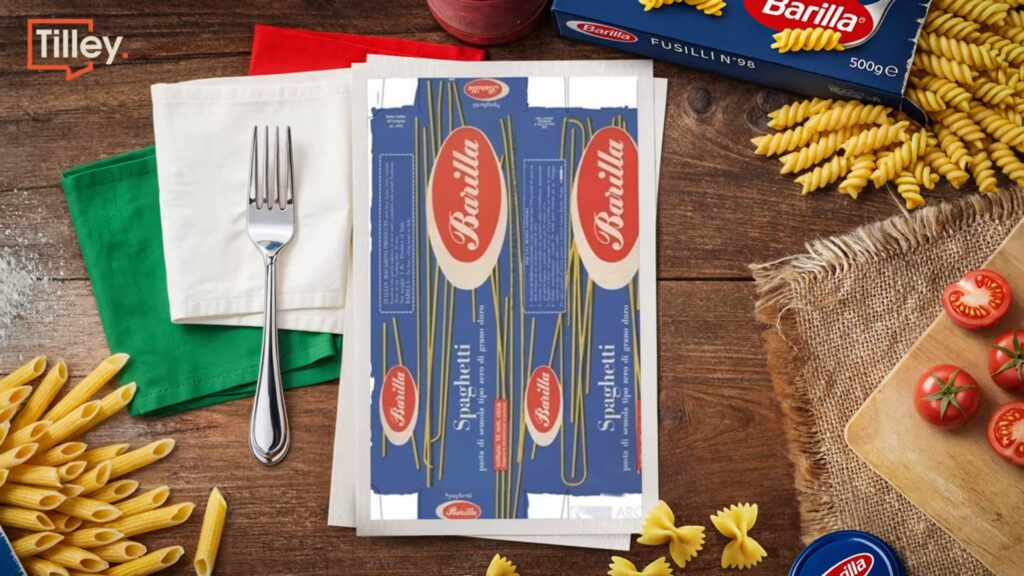
He returned to Italy with a plan that seemed crazy for the conservative Italian food industry. Barilla launched the first packaged pasta in branded packaging, and this packaging was a blue box with a simple but recognizable design. This was a revolution, because before pasta was just food people bought out of necessity, and now it was a product, a brand, a promise of quality that people could recognize on the shelf among dozens of other options.
But one box wasn’t enough to change the market and make Barilla the leader. People needed to want to buy this pasta specifically, not just any other, and for that they needed advertising, which barely existed in Italy at that time. Barilla didn’t just shout in ads that their pasta was the tastiest and cheapest – they sold a lifestyle, a dream, an emotion.
Every Barilla ad told the same story with slight variations. A family gathers around a big table with a steaming plate of Barilla pasta, there’s laughter, children hugging parents, everyone happy and content. The ad said not “buy our pasta because it’s cheap,” but “buy our pasta because it makes your family happier and life better.”
And this worked incredibly well, because the post-war world desperately wanted to believe life could be good. People were tired of destruction, death, suffering, empty plates and cold homes. They wanted simple human joys, the feeling that tomorrow would be better than today. Barilla gave them exactly that through a blue box that promised not just calories, but happiness.
Sales grew year after year, the company expanded, new factories opened, and for the first time in many generations, the Barilla family felt they’d finally built something really big.
Italy also started changing in the eyes of the whole world. Before it was a country of poor emigrants who left in droves for America looking for bread, and now it was becoming a country of culture, cuisine, and good living. Barilla didn’t just sell pasta to other countries. They sold a new image of Italy, and the world happily bought this dream. For the first time in the company’s history, they felt stable and successful, and it seemed this stability would last forever. But nothing lasts forever.
Losing Everything in One Day
1971 became a disaster for the Barilla family worse than any war. They had to sell the company. The details were complicated and tangled. There were post-war economic problems, disagreements, debts. But the essence was simple. For the first time in almost a hundred years of hard work, bankruptcies and new attempts, Barilla no longer belonged to the family.
The company was bought by American corporation W.R. Grace & Co., and for Pietro Jr. this was like death while still alive. His grandfather built this company, went bankrupt, but each time got up and started over. The family survived two world wars, survived fascism, survived arrests and execution threats, survived hunger and devastation. And now everything was lost not because of bombs or a dictator, but because of money. Italy watched this deal with pain, because one of the main symbols of national cuisine was passing under foreign control, and this was humiliating for a country that had just started taking pride in its culture.
The new American owners began expansion and diversification, adding cookies, bread, snacks, sauces, and everything that could bring profit to pasta. Barilla became bigger, more profitable, and more efficient. But for the Barilla family, all these numbers meant nothing, because the company was no longer theirs.
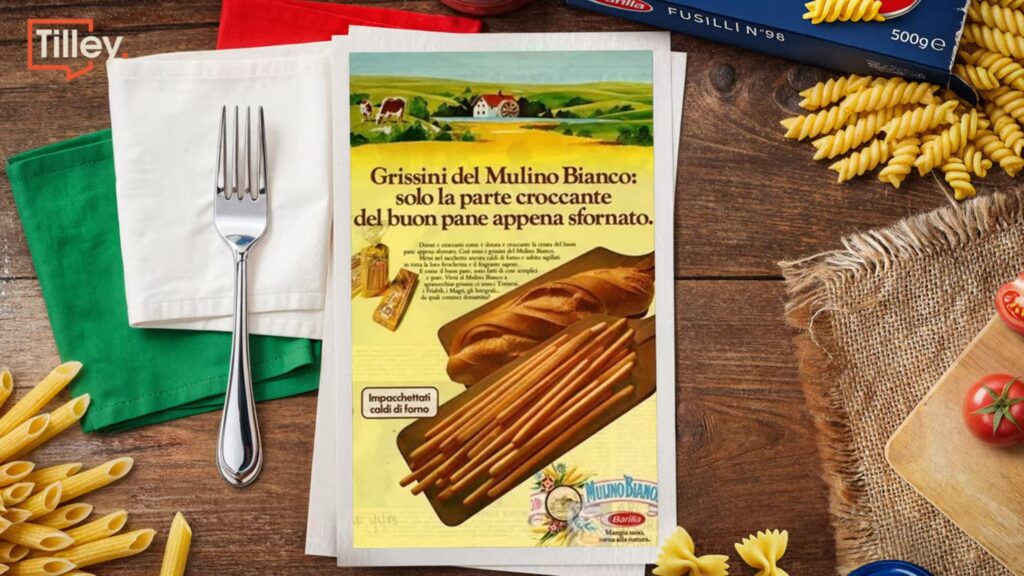
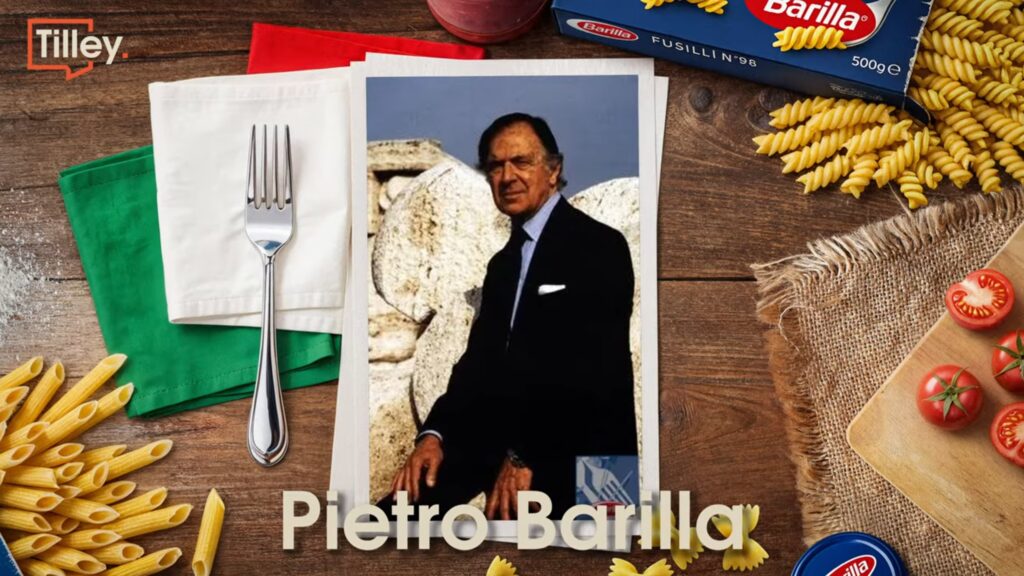
Pietro couldn’t accept this, and a few years after the sale, he began the first attempt to buy the company back. He gathered money wherever he could, borrowed from banks, sold personal property, looked for investors, negotiated with W.R. Grace. And failed completely, because the Americans refused to sell a company that brought them stable profit. Pietro left the office and stood right on the street, crying his eyes out – this man who survived enough for three lifetimes couldn’t get back what his family built for almost a hundred years.
But even after this humiliating defeat, he didn’t give up. A year later, Pietro held new negotiations, and this time a miracle happened. W.R. Grace agreed to sell the company back to the family, and in 1979, Barilla became a family business again.
Pietro managed the company for another 14 years after the return, and these were good years. He saw the blue Barilla box appear in stores around the world, saw Italy finally transform from a country of poverty into a country associated with high quality of life, style, and culture. He died in 1993 at age eighty, leaving the company to his three sons Guido, Luca, and Paolo.
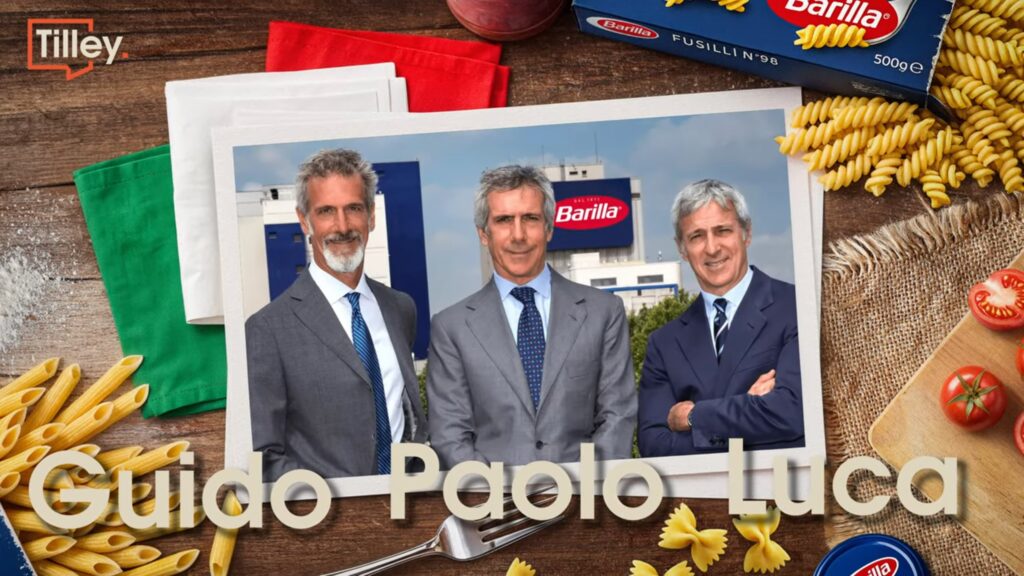
But the problem was that his sons were too young and inexperienced to manage a global company in difficult times. And the 90s, you might remember, were a brutal world of globalization, where big supermarket chains launched their own cheap brands and took market share from name brands.
Barilla was slowly but surely dying, and the three brothers didn’t know what to do, because nobody taught them how to save a sinking ship.
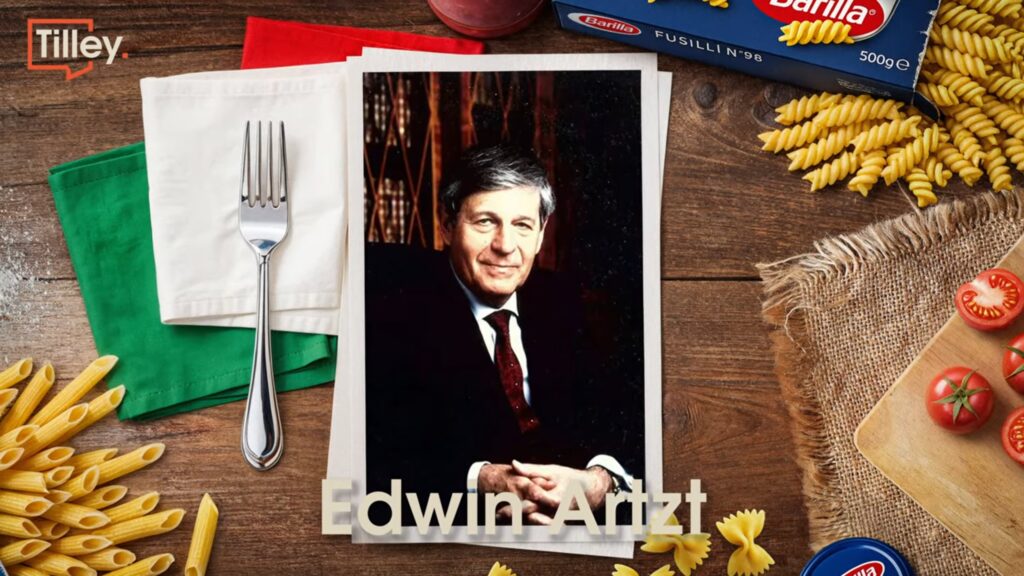
The board of directors realized they needed an outsider, someone who had already saved major companies from bankruptcy and knew what to do in this situation. They found Edwin Artzt – he was over 60, and had just retired from the CEO position at Procter & Gamble after doubling the profits of one of the world’s largest companies in five years.
They asked Artzt to come out of retirement and save Barilla, and he agreed.
From the Edge of the Abyss to Global Empire
Edwin Artzt came to Barilla and immediately saw what the Barilla brothers, immersed in the past, didn’t see. The company lived in illusions that their name meant something by itself and that people would buy Barilla simply because it was Barilla. But the world had changed, and on supermarket shelves stood dozens of pasta brands, half of which cost twice as cheap, and customers absolutely didn’t care who made this pasta and when, if right now it cost too much.
And Artzt hit on all fronts simultaneously. He sharply reduced prices, invested millions in advertising, closed three unprofitable factories, and fired a thousand people. Sounds harsh, but the company was drowning and they needed to cut costs or die completely. Results didn’t come immediately, but they came. The company stabilized, the bleeding of money stopped, and Barilla became profitable again. In the late 90s, Barilla began a global offensive. Factories in different countries, buying local brands, advertising in dozens of languages. The blue box appeared in stores in New York, Tokyo, Sydney, and everywhere it carried one message. This isn’t just pasta, it’s a piece of Italy.
From the outside, everything looked perfect. Global brand, beautiful packaging, success after success. But inside the company, a nightmare, and the problem was called distribution. Imagine a situation happening in thousands of stores simultaneously. A customer sees a Barilla ad on TV and decides to buy this pasta. He comes to the store, and the shelves are empty. Comes back a week later – empty again. Eventually he gets pissed, buys another brand, and never returns to Barilla.
They weren’t ready for global growth not because they made bad pasta, but because logistics were complete chaos. Millions invested in advertising, century-old history, beautiful boxes, but no product on shelves, and all this money goes down the drain.
Barilla realized they needed to radically change something and created the JITD system. The concept is simple. Before, distributors themselves decided how much pasta they needed and constantly got it wrong. Now Barilla started looking at sales data in real time and sending products themselves, exactly as much as needed. Not huge batches once a month, but constant small deliveries exactly on time.
Distributors reacted as if Barilla had proposed selling their souls to the devil. They screamed that warehouse management was their job, that nobody would get into their data, that they didn’t work this way and weren’t going to. Many outright refused to implement the system, threatened to break contracts and go to competitors. Barilla faced a choice. Back down and return to chaos or push through the new system despite resistance.
They chose the second, as always. The company found several distributors who agreed to try the system as an experiment. The results were so obvious that arguing was pointless. Orders became predictable, empty shelves disappeared, service improved, everything worked smoothly. Now they controlled every link from the wheat field to the supermarket shelf.
And here, you’d like to breathe a sigh of relief – problems solved, success guaranteed. But Barilla realized that all this time they’d been selling the wrong thing.
When Pasta Becomes Culture
Somewhere in the mid-2000s, Barilla realized that selling pasta, even very good pasta, is one thing, but selling Italy as a lifestyle is something completely different. In 2004, the company made a move that looked absolutely insane for a pasta manufacturer. They opened Accademia Barilla. Yeah, sounds like a school for housewives, but it’s actually something completely different. It’s a huge center of Italian cuisine with a museum, library, and classrooms.
People flew from all over the world to spend a few days in Parma and learn to cook real Italian pasta not from a box, but from scratch with their own hands. They kneaded dough like Italian grandmothers did a hundred years ago, learned the difference between pasta from Sicily and pasta from Bologna, listened to stories about how each dish is connected to the region’s history.
This was a move that turned Barilla from a company into a guardian of culture. Now when a customer took a blue box from a store shelf, they got not just a kilogram of pasta, but a connection to a place the whole world considers a symbol of good living.
By this time, Italy had completely changed in the eyes of the whole world. Nobody thought of it anymore as a poor country from which millions fled poverty. Now it was a country that taught the whole world how to cook with soul and how to value family and simple joys. A huge part of this new image was Barilla’s doing, which sold not pasta, but Italian lifestyle in a blue box.
Today Barilla sells its pasta in over a hundred countries, owns factories on three continents, earns billions of dollars, and continues to grow. But the most amazing thing is that with all this scale, the company remained family-owned. The Barilla brothers still own the business, make key decisions, and live in the same Parma where their great-grandfather over a century ago opened a small bakery and went bankrupt for the first time.
The world continues to change faster than ever. Climate crisis, new sustainability requirements, healthy eating trends, competitors with new technologies. Barilla again faces the need to adapt. But they went through two world wars, fascism, bankruptcies, loss of control, global crises, and each time found a way to survive and became stronger. And there’s no reason to think this time will be different.
Conclusion
The Barilla story isn’t just the story of a successful company that made money selling pasta. It’s a story about a family that went bankrupt so many times you could lose count, but each time got up from zero and ultimately built a business that changed the image of an entire country.
Italy once exported only one thing – desperate people fleeing poverty in search of a better life. Today it exports the very idea of that good life, and it all started with a baker who went bankrupt many times but stubbornly opened again and again.
With a family that lost their company and fought to the last to get it back. With a brand that grew too fast, stumbled, but each time found a way to get up and become stronger.
If this story gave you a new perspective on how a business can shape culture and redefine a country’s identity, I’d love to hear from you. Which other companies do you believe have fundamentally changed their country’s global image? Share your thoughts in the comments below. I’m genuinely curious to see which brands come to mind for you.
And if you’re interested in stories like this, you might want to look at companies that didn’t just shape perception, but completely transformed industries. For example, Intuitive Surgical, a company that may have changed medicine forever by pioneering robotic-assisted surgery. Give this article a try! I think you’ll like it too.