
We met Mida in Gargždai, Lithuania, at a roofing plant where you could hear the extrusion line from the car park. The sales director walked us past rolls of bitumen to a meeting room with a whiteboard full of customer names: DIY chains, construction firms, specialist local distributors across most of Europe. He told us the business had a problem that none of their peers seemed to have solved.
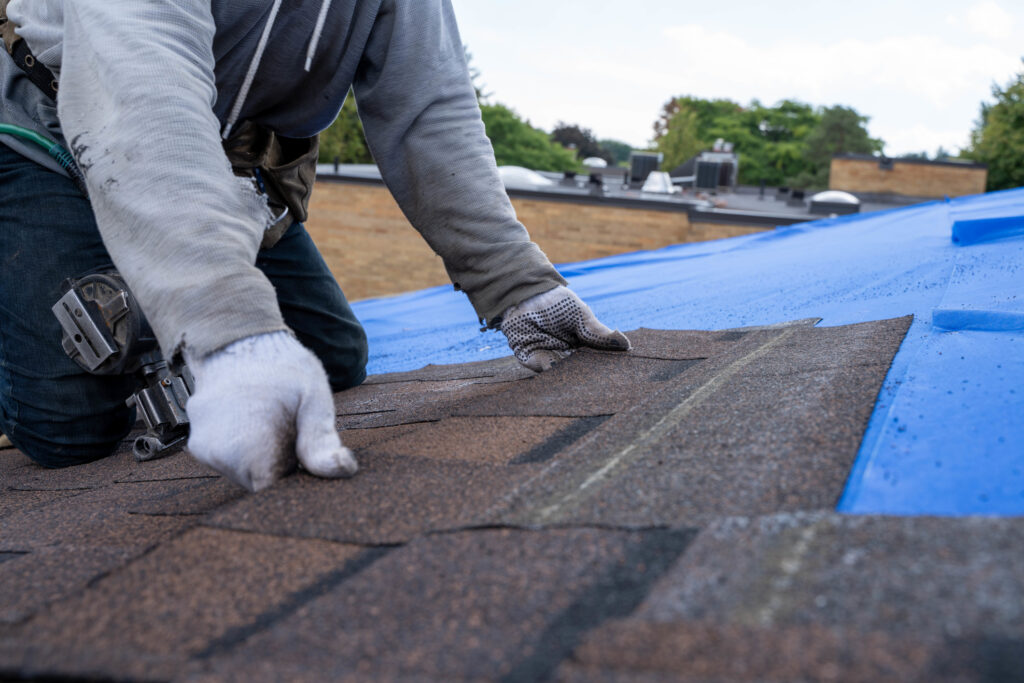
Their best sales reps worked on rooftops.
Mida’s products were not sold from a desk. Field agents met customers at active building sites, walked through the installation, and sized the next order while standing on the job. When they got back to a laptop later, half the details were already forgotten. Pricing calls got delayed. Re-orders from existing customers sometimes took a week to turn into a quote. On a construction calendar, a week is a problem.
Mida had another wrinkle. Their catalog was deceptively complex. The same underlying product could ship into roofing, hydraulic isolation, or a handful of other building applications, and each application carried its own pricing logic and technical rules. The sales reps had to cross-reference product applicability on the fly at a site. Small customer base, vast amount of data, every lost detail a missed upsell at the next phase of the construction project.
They had been running the whole thing on paper and spreadsheets.

The brief
Segment the customer base, capture the building-site data, and turn repeat ordering into something the field team could run from a phone. And make sure the quoting logic still respects the catalog’s complexity.
Phase 1: the pilot
We started small. A pilot deployment of Salesforce Sales Cloud with a tight group of reps. The pilot was an adoption test. Coverage would come later.
We watched how they entered data between site visits, where the app failed them, and what made them pull out the phone. The feedback from the pilot drove the rest of the build. A few things we expected to be critical turned out to not matter. A few things we had not scoped became mandatory.
Phase 2: quotes from a phone
This was the money phase. We wired up Salesforce CPQ so a field agent could generate a re-order from mobile in minutes. Price calculations ran automatically, respecting the rules that made the catalog complex. If the adjustment stayed within an accepted margin, the quote could be approved from the phone without a trip back to the office.
That move did more for admin overhead than any dashboard ever does. It also meant customers were getting quotes back on the same day, from the same person who had stood on the building site with them, which was the original pitch the reps had been trying to keep alive for years.
Phase 3: the portal
In the final phase we put a self-service portal on top, built on Salesforce Experience Cloud. Customers could place re-orders, check status, and access information about Mida’s products without routing every question through a rep. The reps liked it because the farming work that had clogged their calendar dropped to the customers who were happy to self-serve.
What changed
Mida went from a paper-based sales process to a digital one, yes. The headline that actually matters is quieter: the sales team could finally stand on a rooftop, quote from the site, close from the site, and move on without a pile of admin at the end of the week. The customer portal handed the routine back to customers. The complex catalog started behaving itself because the logic sat in CPQ, no longer in a rep’s head.
A hundred people on staff. Most of Europe to cover. Products that cross four building applications. And a CRM they actually use, because it was built for the way they already sold.
The part we tell other manufacturers
Mobile-first sounds like a feature. For Mida, it was the whole architecture. If the CRM did not work on a phone, it did not work. We built every phase backwards from that constraint.
Small customer base, long tail of upsell opportunities, deep technical catalog. If any of that sounds familiar, we have done this before.
– Jeff.