
I bet you’ve flown on a plane at least once in your life. Maybe it was for a vacation, a business trip, or a long-awaited reunion with loved ones. You sat in your seat, scrolling through a magazine or watching a movie while clouds drifted by outside at 33,000 feet. At that moment, you probably wondered what exactly was keeping you in the air. What makes a metal machine float above the earth, carrying hundreds of people across continents?
The answer is simple: two massive jet engines under the wings. And there’s a very high chance those engines were made by one company.
Now imagine this: there’s a company whose engines are installed on 60% of all commercial aircraft in the world. A company that started with Thomas Edison’s light bulbs and turned into a giant without which modern aviation simply wouldn’t exist. A company that survived two world wars, the Great Depression, the 2008 financial crisis, and the COVID-19 pandemic – and came out stronger every time. A company whose annual revenue exceeds $32 billion, and most of that money comes not from selling engines, but from servicing them.
This company is called GE Aerospace. And if you think it’s just another aircraft engine manufacturer, you’re dead wrong. This is a machine that changed the rules of the game in the most technologically complex industry on the planet. This is the story of how engineering excellence turned into a business model worth hundreds of billions of dollars. It is the story of how one company learned not just to make a product, but to create a dependency that lasts for decades. In this article, we’ll explore how GE Aerospace captured the sky and why every third plane you fly on runs on their technology.
If you’re new to this blog, I’m Jeff Tilley, and I explore the stories of companies that changed the world – companies whose decisions shape our everyday lives, even if we don’t realize it. If you’re curious how one company quietly came to power modern aviation, let’s dive into the story of GE Aerospace!
Light Bulbs, Turbines, and an Accidental Path to the Sky
1917. World War I is in full swing. Europe is burning, millions are dying in trenches, and war technology is advancing at a terrifying pace. Aircraft have gone from a curious toy to a deadly weapon. But there’s a problem. A huge problem that keeps military engineers up at night. The higher a plane climbs, the thinner the air becomes. And less air means less oxygen. Less oxygen means the engine loses power. And now your fighter or bomber, which worked like a Swiss watch on the ground, turns into a sluggish hunk of metal at altitude that the enemy can shoot down with one accurate shot.
The U.S. Army was desperately looking for a solution. And they turned not to an aviation company. Not to an automobile manufacturer. They turned to General Electric – a company that made light bulbs, locomotives, and generators. Why? Because GE had something no one else had: expertise in high-temperature materials and experience working with turbines. GE had been creating turbines for power plants and steamships for decades. They understood how to work with metals at extreme temperatures and pressures. And that was exactly what was needed to solve the thin-air problem.
A short, nervous man with round glasses and a goatee joined the company. His name was Sanford Moss. Dr. Moss was a genius. A bit strange, a bit eccentric, but an undeniable genius. His colleagues at the GE factory in Lynn, Massachusetts, knew about his unusual habits. He carried pockets full of coins to play coin toss with employees and prove the laws of probability. He claimed that a real engineer should take apart his pocket watch to understand how it works. And most ironically for a man who would go down in history as the father of GE aviation – he hated flying. Absolutely hated it. He agreed to commercial flights when absolutely necessary, but categorically refused to be a passenger on experimental military aircraft, even those equipped with his own technologies.
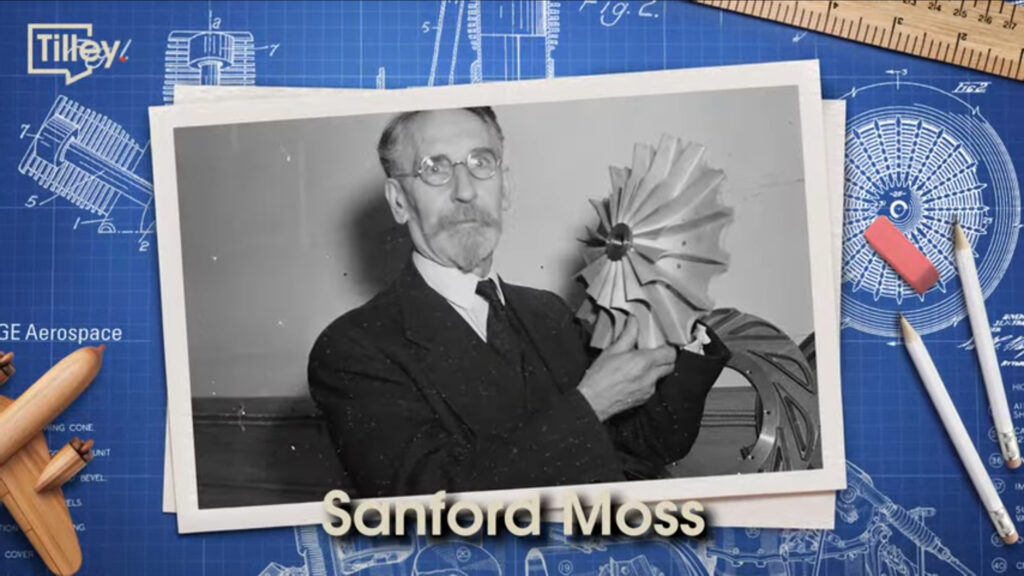
But Dr. Moss saw a solution where others saw only a problem. He developed a turbosupercharger – a device that used engine exhaust gases to spin a turbine, which in turn forced more air into the cylinders. More air meant more oxygen, which meant the engine could maintain power even at high altitude. The idea was brilliant, but it needed to be proven. And so in 1918, Moss’s team went to one of the most extreme places in America for a test: to the summit of Pikes Peak in Colorado, at an elevation of over 14,000 feet.
Just imagine this scene. A group of engineers in the early 20th century hauling a huge Liberty aircraft engine to the top of a mountain. No helicopters, no modern equipment – just determination, ropes, and absolute faith that this would work. At that altitude, a normal engine lost up to 40% of its power. But the engine with Moss’s turbosupercharger worked as if it were at sea level. The results were so impressive that the military immediately approved mass production. And a year later, in 1919, an aircraft equipped with a GE turbosupercharger set a world altitude record, climbing to 33,000 feet. This was impossible without Moss’s technology.
This moment changed everything. GE, a company created by Thomas Edison in 1892 to manufacture electrical equipment, suddenly found itself in the aviation business. But no one could have foreseen then that this “side” activity would turn into one of the most profitable businesses in the company’s history.
1941. The world is on fire again. World War II is gaining momentum. And in the midst of the London bombings, something remarkable happens. A group of GE engineers in Lynn receives a secret shipment from King George VI. Inside several crates are parts of the first jet engine successfully built and tested by the Allies. This was the engine of British engineer Frank Whittle. And the task for American engineers was clear but monstrously difficult: copy it, improve it, and prepare it for mass production. And all of this in the strictest secrecy. All of this – in a matter of months.
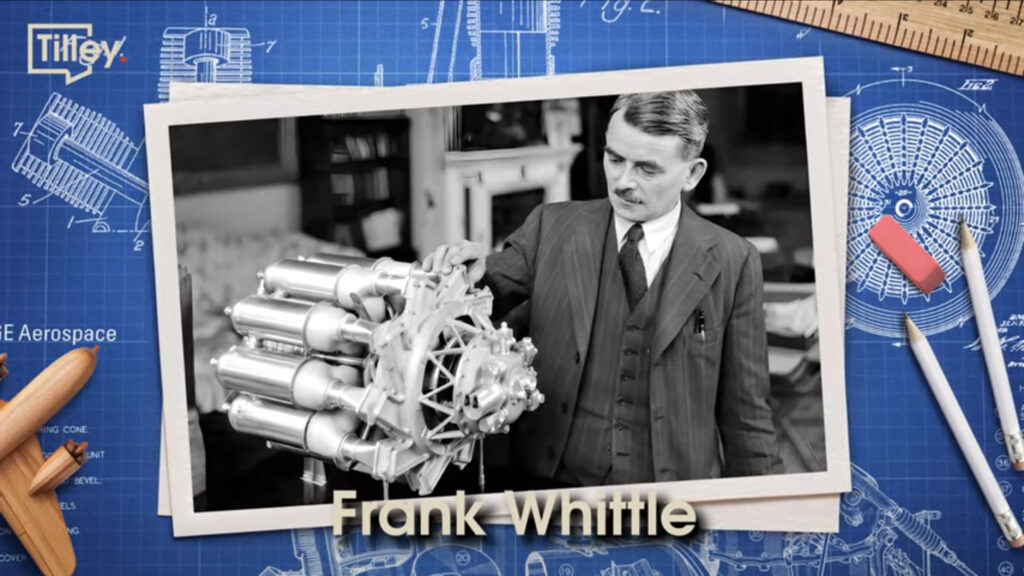
The U.S. War Department and Army Air Corps chose GE for this project for good reason. The company had what was required: knowledge of high-temperature metals capable of withstanding the hellish heat inside a jet engine. Experience creating turbines for power plants and ships. And critically important, experience working with turbosuperchargers, which gave them an understanding of how to make air work at speed and under pressure. GE was the only company in America that could handle this task. And they knew it.
The project was so secret that the engineers working on it even called themselves the “Hush-Hush Boys.” They were forbidden to talk about their work to anyone, including their families. One of the engineers, a young Northeastern University student named Joseph Sorota, who joined the team as number five, was told directly: “If you give away even one secret, the punishment is death.” And this wasn’t an empty threat. Once, on his way home, a stranger approached Sorota and started asking questions: did he have a girlfriend, did he drink in bars. When the man identified himself as an FBI agent, Sorota nearly died of fear. He hadn’t done anything wrong, but he thought he was about to be arrested. Instead, the agent led him to a small building with a tall brick chimney in the far corner of the River Works plant in Lynn. That’s where his work on America’s first jet engine began.
The team grew. Hundreds of engineers and technicians worked around the clock, literally smashing down walls with sledgehammers to modify the workshop with their own hands because the project was so secret they couldn’t hire contractors. When they unpacked the British engine, problems arose immediately. Their tools didn’t fit the nuts and bolts because the British used the metric system and the Americans used inches. Engineers had to manually grind down wrenches to make them fit. Work went on day and night.
In just five months, the team created the first prototype. When they loaded it into a concrete bunker for testing in March 1942, the engine stalled. Failure. The team went back to the drawing boards, redesigned the compressor, and continued working. In the summer of 1942, two working jet engines, each with 1,300 pounds of thrust, were loaded onto a railroad car and sent across the country to Muroc Air Base in the Mojave Desert, California. Three GE engineers accompanied the top-secret cargo along with five U.S. Army guards. Aircraft designer Larry Bell worked in parallel with the GE team, creating America’s first jet aircraft – the XP-59.
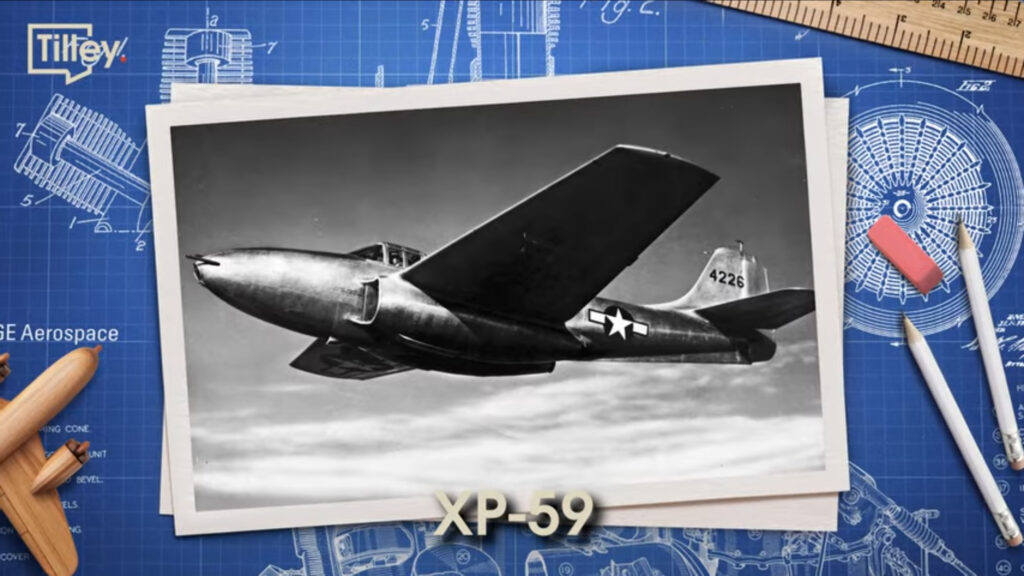
On October 2, 1942, the aircraft, equipped with the I-A engine from GE, climbed to 6,000 feet. America entered the jet age. And GE became the company that built America’s first jet engine. But the team didn’t stop. GE’s first engines used a radial (centrifugal) turbine to compress air – technology similar to that used in turbosuperchargers. But engineers in Lynn started working on something more efficient: an axial turbine that pushed air through the engine along its axis. This technology is used in virtually every modern jet engine and gas turbine to this day.
On July 31, 1945, just weeks after the end of World War II, GE officially created the Aircraft Gas Turbine Division. This was the birth of what would later become GE Aviation, and then GE Aerospace. After the war, demand exploded. Military aviation was transitioning to jet propulsion. The Korean War began, and jet fighters became the standard. GE launched production of the J47 engine – the first mass-produced jet engine in history. By the end of the 1950s, more than 35,000 J47 units had been produced. It was the most produced gas turbine engine in the world. The success was so huge that GE built a new massive plant near Cincinnati, in Evendale, which opened in 1949. This plant became the headquarters of GE’s aviation business and remains so to this day.
But the most important decision came in 1974. GE partnered with the French company Safran (then known as Snecma) and created the joint venture CFM International. Together they developed the CFM56 engine – an engine that became legendary. The CFM56 was installed on the Boeing 737 and Airbus A320. It became the best-selling commercial jet engine in aviation history, with more than 35,000 units produced. If you’ve flown on a Boeing 737 Classic or Airbus A320, you’ve flown on CFM56 engines. And with every such flight, GE made money. Not just from selling the engine, but from servicing it. And this is where the real magic of GE’s business model begins.
The Razor, the Blades, and the Genius of Long-Term Money
Let’s stop for a second and talk about how GE Aerospace actually makes money. Because if you think they’re making a fortune selling engines, you’re wrong. Engines are just the bait. The real money comes after the sale. And this business model is so genius that it’s studied in the world’s best business schools. It’s called “razor and blades.” And here’s how it works.
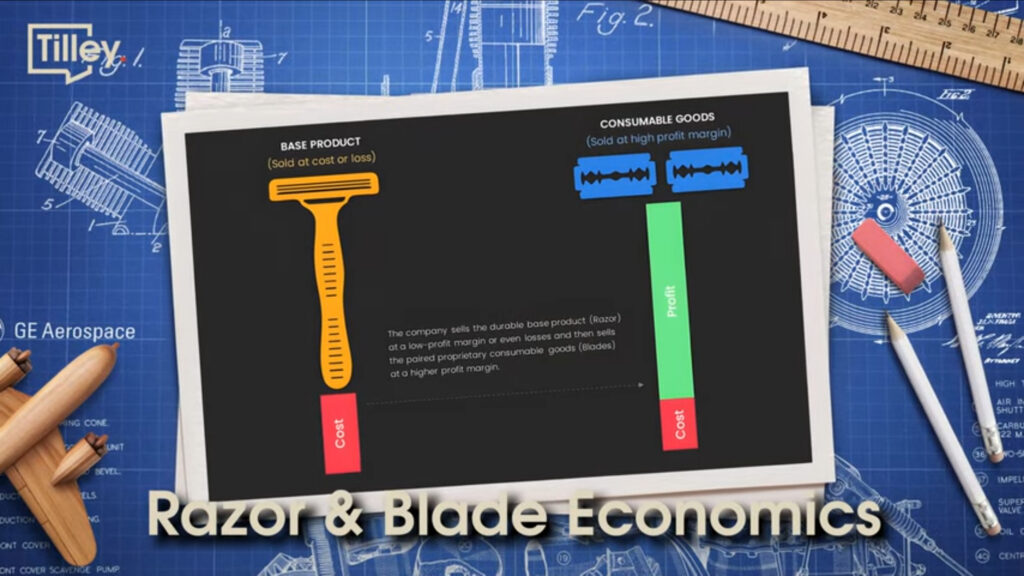
Imagine you buy a razor for $10. Good price, right? But then it turns out that replacement blades for this razor cost $5 per pack. And you need to buy a new pack every month. After a year, you’ve spent $60 on blades. After five years – $300. The company that sold you the razor for $10 made $300 from you. The razor was just a way to get you to buy blades. GE Aerospace works exactly the same way. Except instead of a razor, they sell a jet engine. And instead of blades – maintenance, repair, and parts for the next 20-30 years.
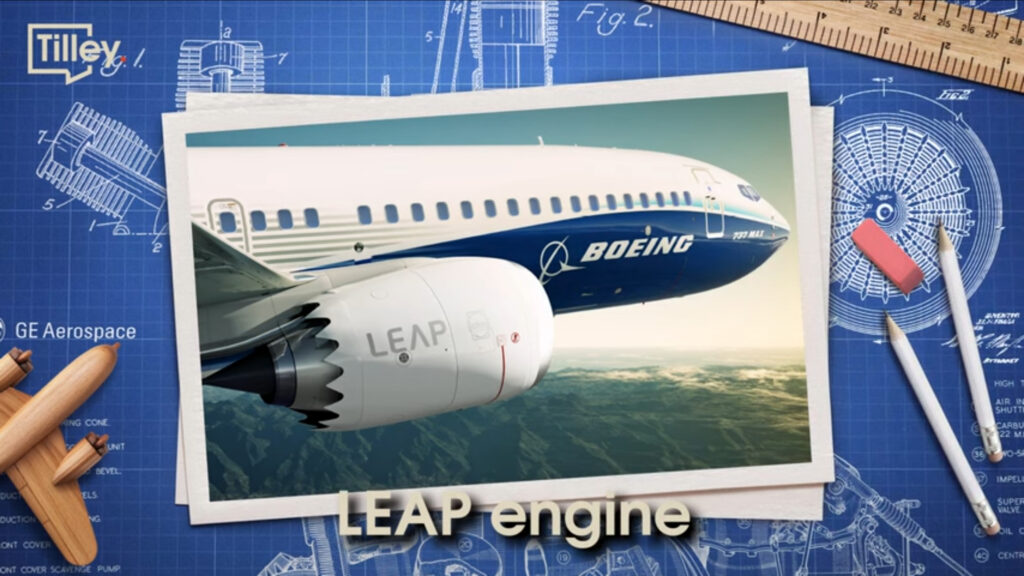
Here’s how it works in practice. Boeing or Airbus builds a new aircraft. They choose an engine. Let’s say it’s the LEAP – GE’s best-selling engine today, which is installed on the Boeing 737 MAX and Airbus A320neo. One LEAP engine costs about $15 million. That’s huge money, right? Not really. Because GE sells this engine with minimal margin. Sometimes even at a loss. Why? Because the real money comes later.
A jet engine is one of the most complex machines ever created by man. It operates at temperatures above 2,700 degrees Fahrenheit. It spins at thousands of revolutions per minute. It’s subjected to extreme loads with every takeoff and landing. And after a certain number of flight hours – usually between 10,000 and 25,000 hours depending on the model – this engine needs to be removed from the aircraft and sent for major overhaul. This is called a “shop visit.” And this is where the real fun begins for GE.
A major overhaul of a LEAP engine costs between $2 and $4 million. And it’s not once. Over 25-30 years of aircraft operation, the engine may undergo three to five such overhauls. Do the math: 3 overhauls at $3 million each – that’s $9 million. For one engine that was originally sold for $15 million. Over the lifetime of one engine, GE earns as much or even more than it received from its initial sale. And that’s just major overhauls. There’s also regular maintenance, parts replacement, software updates, performance monitoring. Every hour this engine spends in the air brings GE money.
But it gets even better. Most airlines don’t pay for each repair separately. Instead, they sign what are called LTSAs – Long-Term Service Agreements. Essentially, this is a contract that says: “GE, we’ll pay you a certain amount for every hour of flight, and you take care of all maintenance.” For the airline, these are predictable costs that can be planned. For GE, it’s a guaranteed revenue stream for decades to come. And since GE is the only one who can service GE engines, airlines have no choice. They’re tied to GE for the life of the aircraft.
Let’s look at the numbers. In 2024, GE Aerospace earned $32.3 billion. Of that, approximately 60% came from commercial aviation. But here’s what’s really important: about half of those revenues came not from selling new engines, but from servicing existing ones. Aftermarket service is GE’s lifeblood. And the margin on this business is impressive. In the first quarter of 2025, the operating margin of the commercial engines and services segment was 27.5%. This is an incredibly high figure for an industrial company. Why? Because there’s no competition. If you fly on GE engines, you service with GE.
Today, GE Aerospace has more than 45,000 commercial engines in operation worldwide. This is a huge installed base. And each of these engines is a revenue stream. Imagine having 45,000 customers who will pay you every month for the next 20-30 years. And these customers can’t go to competitors because there are no competitors. This is any business’s dream. And that’s exactly how GE Aerospace works.
But let’s dig even deeper. Why do airlines even agree to this model? Because they have no choice? Partly. But there’s another reason. Jet engines are so complex that servicing them requires incredible expertise. GE has 50 repair centers around the world. They have thousands of engineers who know every detail of every engine. They have decades of data on how these engines perform under different conditions. And most importantly – they have the parts. Exclusive, patented parts that no one else manufactures. Try finding a turbine blade for a LEAP engine from anyone other than GE. You can’t. Because it’s GE property, protected by patents and trade secrets.
And here’s where it gets really interesting. In recent years, GE has started using digital technology to further strengthen its position. They’ve installed sensors on more than 40,000 engines worldwide. These sensors send real-time data: temperature, pressure, vibration, fuel consumption. GE analyzes this data and can predict when an engine needs service even before a problem arises. This is called “predictive maintenance.” For the airline, this means fewer unplanned downtime. For GE, it means even more control over when and how their engines are serviced.
This model also explains why GE competes so aggressively for every new engine supply contract. When Boeing or Airbus launches a new aircraft model, the battle for whose engine will be installed is life or death. GE can sell an engine almost at cost or even at a small loss just to get that contract. Because they know: in a few years, when these engines start requiring service, the money will flow.
And here we come to the key question: how did GE become so dominant in this business? How did they capture 60% of the commercial engine market? The answer lies not only in technology. The answer lies in the history of leadership, strategic decisions, and the ability to adapt even when everything around is collapsing.
Legends, Disasters, and the Man Who Saved Everyone
The history of GE Aerospace is inseparable from the history of General Electric itself. And the history of GE is a history of leaders. Some of them built an empire. Some almost destroyed it. But each of them left a mark that shaped what the company is today.
Let’s start with the legend. The man who was called one of the greatest CEOs of all time. Jack Welch. If you studied business in the 1980s or 1990s, Welch was a god. He led GE in 1981 and over 20 years increased the company’s market cap from $14 billion to $594 billion. This is phenomenal growth. Shareholders adored him. Business schools taught his methods.
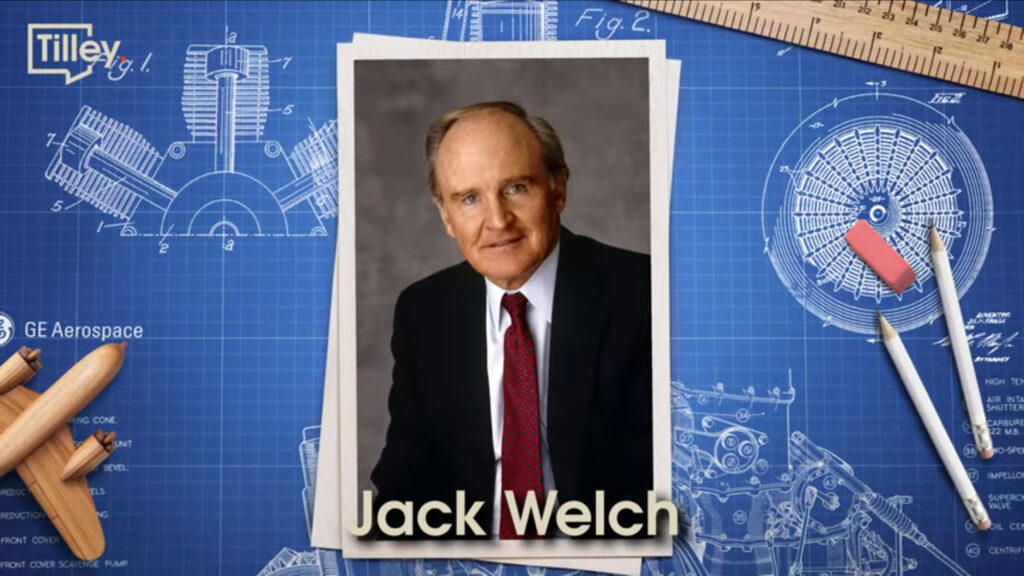
Welch’s philosophy was simple and ruthless. Every GE division had to be number one or two in its industry. If not – sell or close. He implemented the “rank and yank” system, in which the bottom 10% of employees were systematically fired. He was obsessed with efficiency, metrics, and quarterly results. And he turned GE into a huge conglomerate that did everything: from light bulbs to jet engines, from financial services to television networks. Welch believed that good management is universal. That a smart manager can manage any business.
But there was a problem. A huge problem that wasn’t visible while Welch was at the helm. This problem was called GE Capital. GE’s financial division, which started as a modest equipment financing venture, turned into a monster under Welch. By the end of his reign, GE Capital was generating almost half of all GE’s profits. The company founded by Thomas Edison to make light bulbs was making half its money as a bank.
This seemed like a brilliant decision until the 2008 recession hit. The financial crisis hit GE with the force of a freight train. GE Capital was overexposed to the commercial real estate market and subprime mortgages. When Lehman Brothers went bankrupt and credit markets froze, GE Capital couldn’t refinance its short-term debt. GE stock fell 42% in 2008 alone. Warren Buffett invested $3 billion to stabilize the company. And for the first time since the Great Depression, GE cut dividends by 66%.
But Jack Welch was already gone. He retired in 2001, handing the company over to Jeffrey Immelt. And Immelt inherited a time bomb. Immelt ran GE for 16 years, from 2001 to 2017. He began his reign literally four days before the September 11, 2001 attacks. The aviation industry collapsed. The two planes that crashed into the Twin Towers were equipped with CFM56 engines made by GE. Airlines were losing billions. Orders for new aircraft evaporated. GE Aviation was forced to cut 4,000 jobs in a matter of weeks.
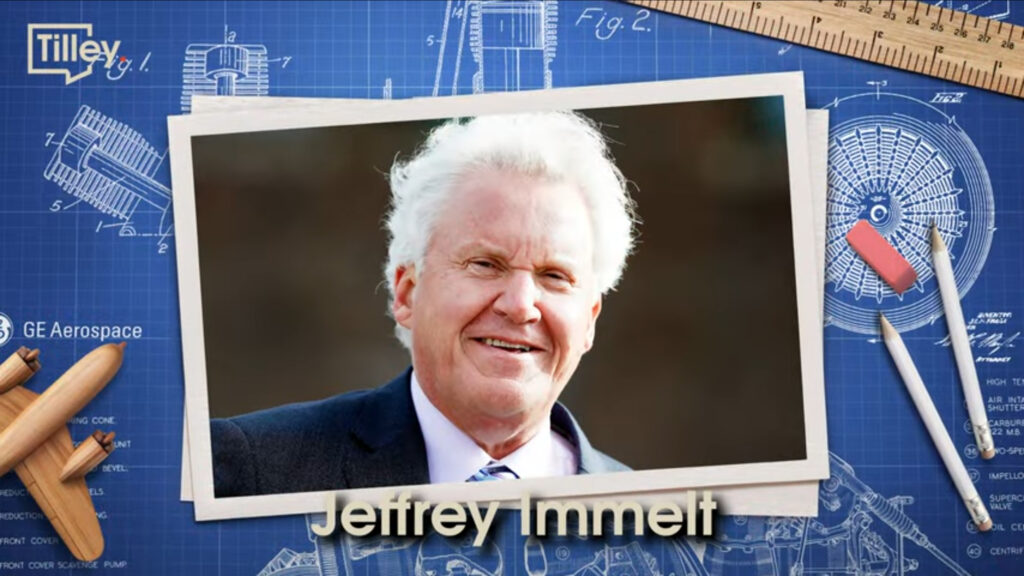
But Immelt and aviation division head Dave Calhoun didn’t panic. Despite the recession, GE didn’t cut R&D investment. They continued working on new engines. And most importantly – they laid the groundwork for the LEAP engine, which was announced in 2008, right during the financial crisis. Airlines were terrified, but they didn’t cancel orders. And when the market recovered, LEAP began to dominate. By 2025, more than 22,000 LEAP engines had been ordered.
But despite the aviation division’s success, Immelt struggled in other areas. He made two fatal mistakes: buying French company Alstom’s energy business for $10.6 billion, which started losing money, and selling most of GE Capital, keeping weak assets. By 2017, GE stock had fallen more than 50% in a year. When it was announced that Immelt was retiring, the stock rose 3.6% in one day. It was a brutal verdict.
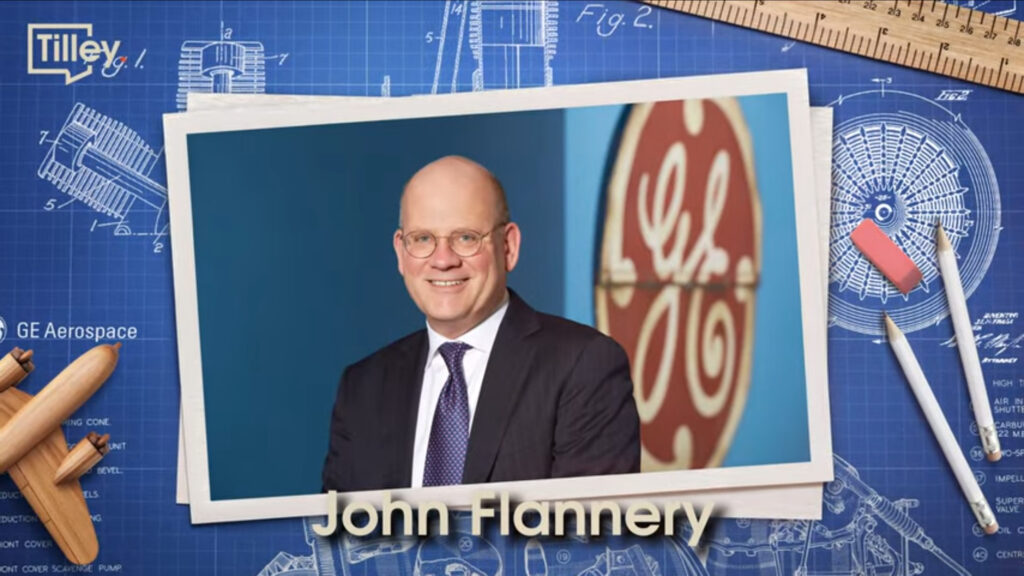
Immelt was replaced by John Flannery, a GE veteran. Flannery had ambitious plans to reform the company. But it was too late. Just a year later, in October 2018, Flannery was fired. And in his place came the man who changed everything. The man who saved GE and created GE Aerospace as we know it today.
His name is Larry Culp. And he was the first outside CEO in General Electric’s 126-year history. Culp didn’t grow up inside GE. He came from Danaher Corporation, where he was CEO for 14 years and turned it into a highly efficient machine worth tens of billions of dollars. Culp’s secret? Lean management. A philosophy that came from Japan, from Toyota, that focuses on eliminating waste, continuous improvement, and respect for people.
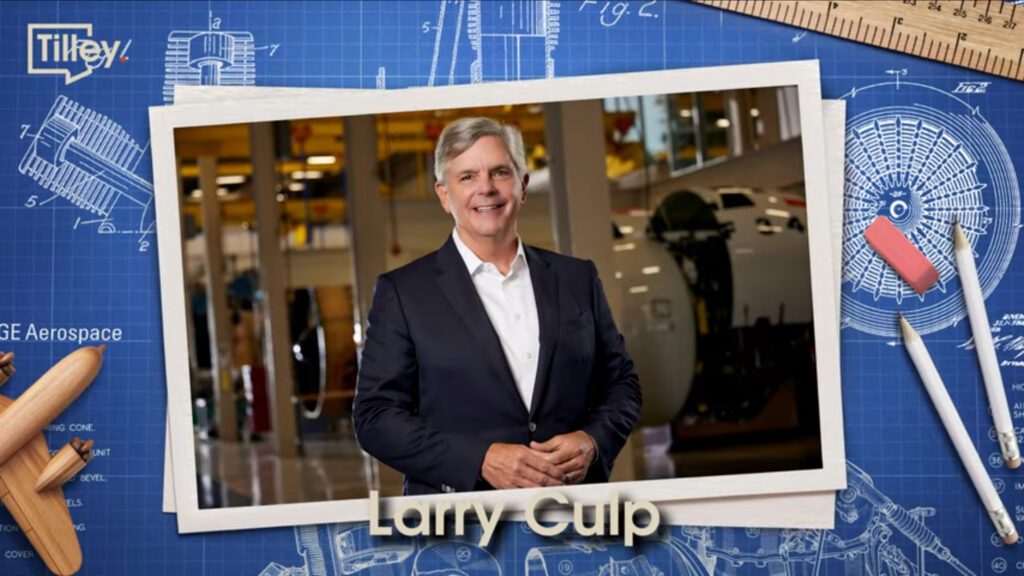
When Culp came to GE in October 2018, the company was on the verge of disaster. Debt exceeded $100 billion. Stock had fallen to lows. The Power division was losing millions every day. Culp inherited the ruins of what was once America’s greatest industrial company. But he had a plan. Simple but radical.
First step: cut debt. Culp started selling everything that wasn’t critical. He sold the biopharmaceutical business for $21.4 billion. He merged GE Capital Aviation Services with AerCap in a deal worth about $30 billion. In four years, Culp cut GE’s debt by approximately $90-100 billion. This was an incredible achievement.
Second step: implement lean. Culp started by personally participating in “kaizen events” – multi-day process improvement sessions right on factory floors. For a CEO of a company with hundreds of billions in revenue to stand on a factory floor, watch work, talk to technicians, and look for ways to improve processes – this was unheard of. But Culp did exactly that. He visited factories without warning. One example: at the Lynn plant, Culp’s team discovered that one part was delaying deliveries due to a faulty welding process. Workers fixed the process, virtually eliminated defects, and cut production time by more than eight weeks.
Third step: split the company. This was the boldest decision. Culp realized that the huge GE conglomerate no longer made sense. Synergies were a myth. Each division was big enough to be an independent company. Culp’s decision was radical: split GE into three independent companies. GE HealthCare was spun off first, in January 2023. Then, in April 2024, GE Aviation officially became GE Aerospace – an independent public company focused exclusively on aviation and defense.
The results speak for themselves. In 2023, GE stock rose 95.8% – more than any other U.S. industrial company. GE Aerospace’s market cap today is around $144 billion. And what’s particularly telling: in 2023, GE stock outperformed Apple, Google, and Microsoft. Larry Culp didn’t just save GE. He completely rebuilt it.
But GE Aerospace’s success isn’t just about leadership. It’s also about the culture Culp implemented. He calls it FLIGHT DECK – GE Aerospace’s proprietary operating model based on lean principles. The most important is the SQDC mantra: Safety, Quality, Delivery, Cost. Culp constantly repeats: “Safety and quality before delivery and cost. Easy to say. Hard to do.” This is the complete opposite of the culture that existed under Welch, where financial metrics came first.
Culp also created a culture where problems aren’t hidden, they’re solved. He says: “A problem-solving culture is much more effective than a blame culture.” GE factories have installed visual management systems where workers can see in real time whether production is on schedule. If something goes wrong, the problem is immediately marked in red. The problem is solved immediately.
And the results are impressive. From the first quarter of 2024, one GE supplier more than doubled weekly deliveries and increased deliveries of all parts by more than 80%. At a repair facility in Brazil, the team cut turnaround time by almost 50%. Such actions supported a 40% increase in LEAP aftermarket capacity in 2024.
But most importantly – Culp did something no GE CEO had done before. He personally participates in kaizen events. He goes through the continuous improvement process himself. After board meetings or factory visits, he asks: “How can I be a better CEO in the fourth quarter than I was in the third?” It’s the same “Plan, Do, Check, Act” cycle that’s at the heart of every improvement on the shop floor. Culp applies it to his own leadership. And it’s this culture of humility, continuous learning, and focus on real results that has turned GE Aerospace into what it is today.
Engines of the Future and 140 Billion Reasons to Be Optimistic
So we’ve told the story of how GE got into the aviation business. How they created the “razor and blades” business model that generates billions of dollars in stable revenue. How they survived crises, bad management, and almost collapsed. And how Larry Culp saved the company and turned it into a focused aerospace empire. But one question remains: what’s next?
Let’s start with the numbers. In March 2024, GE Aerospace announced ambitious goals. By 2028, they plan to achieve operating profit of $10-11.5 billion with margins around 12-13%. In 2024, they earned about $8 billion in operating profit. This means growth of approximately 25-40% over four years. Where will this growth come from?
First source: expanding the installed base of engines. Today there are about 45,000 GE commercial engines in operation. By 2030, this figure will grow to 60,000-70,000, mainly thanks to the LEAP engine. More engines in the air means more service, more parts, more long-term contracts.
Second source: maturing of the LEAP fleet. The LEAP engine is relatively young – the first engines entered service in 2016. Most of them haven’t yet undergone their first major overhaul. But in the next 3-5 years, thousands of LEAP engines will start reaching 10,000-15,000 flight hours and will require shop visits. And a LEAP major overhaul costs $2-4 million. Do the math: if 5,000 LEAP engines undergo overhaul at $3 million each, that’s $15 billion in revenue. Mostly at high margins. This is a wave of money that’s already on the horizon.
Third source: new technologies and engines. GE and Safran through CFM International are working on a revolutionary program called RISE. It’s an open-fan engine concept that promises 20% greater fuel efficiency. It will also be compatible with sustainable aviation fuel (SAF) and possibly even hydrogen in the future. The RISE engine launch is scheduled for the early 2030s. If RISE works, it could completely change the narrowbody aircraft industry.
But GE Aerospace also has challenges. The COVID-19 pandemic destroyed global supply chains, and the aviation industry was hit particularly hard. GE suppliers are still struggling with labor shortages, rising wages, and materials issues. GE has invested more than $1 billion in expanding U.S. plants, hiring thousands of new workers and engineers, and implementing FLIGHT DECK principles at suppliers. By the end of 2024, they increased material deliveries from priority suppliers by 26%.
There are also issues with LEAP engine durability. The number of unscheduled shop visits has increased by 30-40%. This is a problem for airlines and for GE. The company is working on solutions, improving materials and processes. And there’s the GE9X challenge – the world’s largest commercial aircraft engine, designed for the Boeing 777X, which keeps getting delayed. Every year of delay costs GE money. It’s estimated that GE9X will bring losses of around $300 million in 2026.
But despite these challenges, GE Aerospace’s future looks incredibly bright. The fundamental growth drivers are unshakable. Global air traffic is growing at approximately 3-4% per year. Emerging markets, especially in Asia, are buying thousands of new aircraft. Narrowbody aircraft, where LEAP dominates, account for 80% of all new orders. And most importantly – GE’s installed base is huge. More than 45,000 engines in operation, each generating revenue over decades.
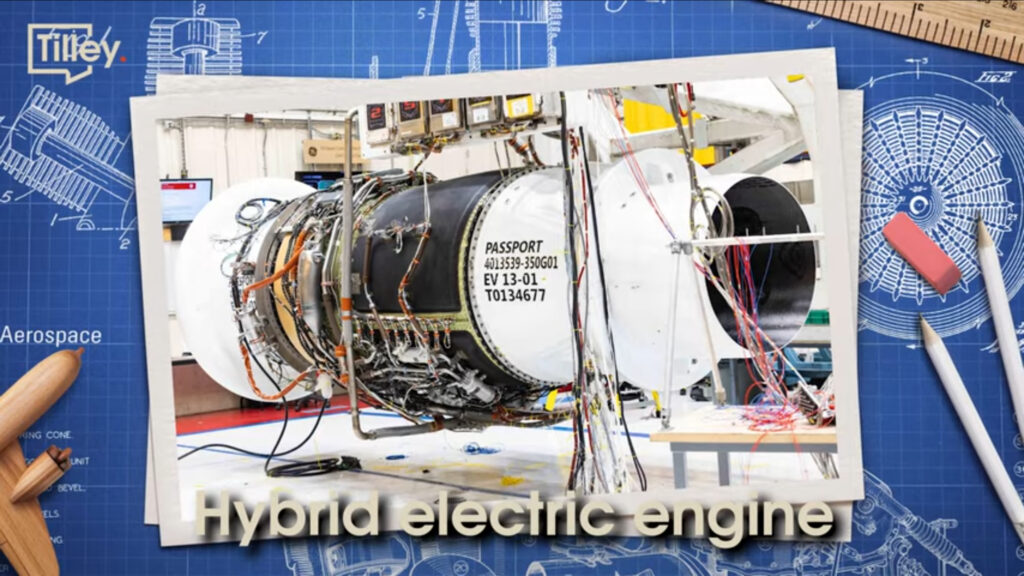
Moreover, GE is strategically positioned on future aviation trends. Sustainability is an existential imperative for the aviation industry. Governments are imposing increasingly stringent CO2 emission restrictions. Airlines have committed to achieving net-zero emissions by 2050. And GE engines are already certified to run on sustainable aviation fuel (SAF), which reduces emissions by 80%. GE is also investing in hybrid-electric technologies and exploring hydrogen fuel cells.
And here’s what’s really breathtaking: GE’s services backlog is $140 billion. Read that again. $140 billion in guaranteed future work. Contracts are already signed. Aircraft are already flying on GE engines. This isn’t a forecast. This isn’t hope. This is reality. And it means that even if a deep recession starts tomorrow, even if orders for new aircraft disappear, GE Aerospace will have a giant revenue stream from servicing existing engines.
Culp and his team have also announced plans to return more than $8 billion to shareholders in 2025 through dividends and share buybacks. GE Aerospace is targeting generating more than $3 billion in free cash flow annually by 2028. Half will be returned to shareholders, half reinvested in new technologies. This is the perfect balance.
And let’s not forget about the military business. GE Aerospace is also a major supplier of engines for military aircraft. The F110 engine is installed on F-15 and F-16 fighters. The F414 engine – on the F/A-18 Super Hornet. The T700 engine – on Apache and Black Hawk helicopters. These are stable, long-term contracts. Military business accounts for approximately 25% of GE Aerospace’s revenue and provides additional diversification.
But the most interesting thing is GE Aerospace’s digital transformation. GE has installed sensors on more than 40,000 engines. GE is developing digital twins – virtual models of each engine that simulate its operation in real time. This allows engineers to test scenarios, predict failures, optimize performance without needing to physically touch the engine. And GE not only uses this internally but also offers it to customers.
Moreover, GE has started creating AI agents for customers. By 2024, GE was managing more than 12,000 AI agents inside various customer organizations. These agents automate routine tasks, analyze data, and help make decisions. Technology and AI consulting already accounts for about 40% of GE Aerospace’s revenue. The company that started with turbosuperchargers is now becoming a technology company.
And here we come to the most important question: why is GE Aerospace so successful? What makes them special? The answer isn’t one thing. It’s a combination of factors that layer on top of each other and create an unbeatable competitive advantage.
First: historical legacy and expertise. GE has been in aviation for more than 100 years. They created the technologies that made modern aviation possible. This experience can’t be bought, can’t be copied.
Second: the “razor and blades” business model that creates long-term customer relationships and stable cash flows.
Third: a huge installed base of engines that generates billions in service revenue.
Fourth: strategic partnerships, especially with Safran through CFM International, that provide market access and share development risks.
Fifth: the culture of continuous improvement, implemented by Larry Culp through FLIGHT DECK, that makes the company more efficient, more agile, more innovative.
Sixth: investment in the future – RISE, SAF, hybrid-electric technologies, hydrogen. GE isn’t resting on its laurels. They’re building next-generation engines right now.
Seventh: digital transformation and use of AI, which create new business models and strengthen customer relationships.
And eighth: focus. As an independent company, GE Aerospace can concentrate all resources, all attention, all energy on one goal: dominate aviation.
Of course, there are risks. Geopolitical conflicts can disrupt supply chains. Boeing and Airbus delays can slow growth. Competitors can create breakthrough technologies. But GE has proven it can adapt. They survived two world wars, the Great Depression, the financial crisis, and the pandemic. Every time they came out stronger. And there’s every reason to believe they’ll handle future challenges too.
Conclusion
So what have we learned from GE Aerospace’s century-long story? For me, this is a story about the power of long-term thinking. In a world obsessed with quarterly reports and quick results, GE Aerospace plays the long game. They sell an engine almost at cost because they know: the real money will come in 5, 10, 20 years. This requires patience. This requires confidence in your technology. This requires a willingness to invest billions in development, knowing that the payoff won’t come immediately.
This is a story about the importance of expertise. GE doesn’t dominate because they’re the most aggressive or the cheapest. They dominate because they’re the best. Their engines are more reliable, more efficient, more powerful. This expertise was built through decades of investment in research, attracting the best engineers, accumulating knowledge through thousands of projects.
This is a story about the importance of adaptation. GE could have gotten stuck in the past, but they constantly evolved. From piston engines to jets. From military to commercial aviation. From selling equipment to selling services. From mechanical systems to digital. Companies that don’t adapt die. GE adapted again and again, and that’s why they’re still here and stronger than ever.
And this is a story that true success isn’t measured only by money. Yes, GE Aerospace makes billions. But their real legacy is what they made possible. They made air travel safe, affordable, and efficient. They connected the world. Every day millions of people fly on aircraft equipped with GE engines. People visit families. Close deals. Start new lives in new countries. And all of this became possible thanks to the technologies that GE created over a century.
Build long-term relationships, not short-term transactions. Invest in expertise. Don’t be afraid to transform. Culture is more important than strategy. And play the long game. Most people and companies fail because they’re impatient. But real wealth, real success is created through decades of consistent effort. GE Aerospace is a 100-year project. And they’re just getting started.
Now it’s your turn. Have you ever flown on a plane and wondered who made the engines? Or worked in the aviation industry and seen GE’s influence firsthand? Share your thoughts in the comments below. I read every comment, and I’m genuinely interested to hear your story.
And if you liked this deep dive, don’t forget to take a look at other articles. I guess you will especially like the story of McKinsey & Company, where a firm that “just gives advice” earns $16 billion a year.